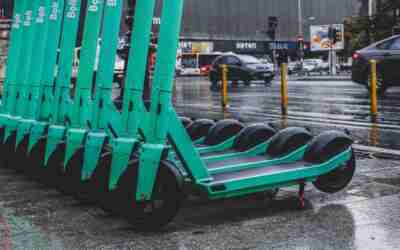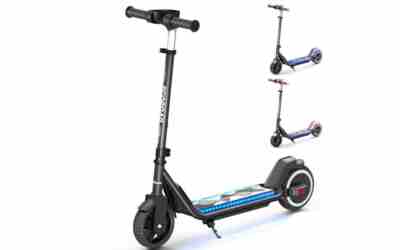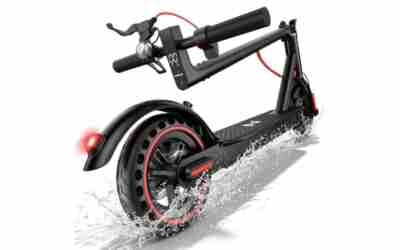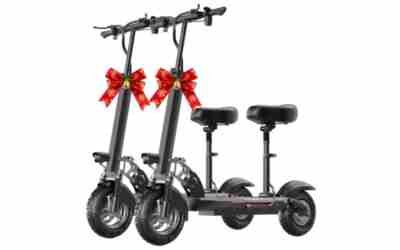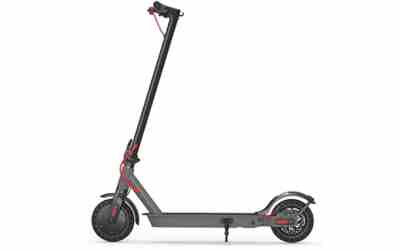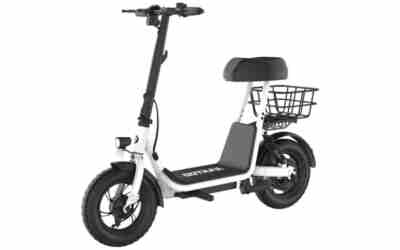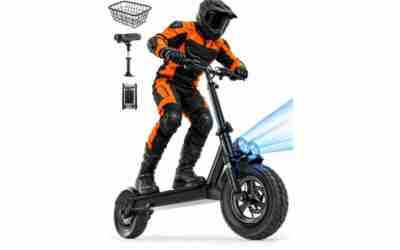
In most states, you don’t need a license to ride a low-speed, stand-up electric scooter. California, Maine and Massachusetts are exceptions: each requires a driver’s license or permit. Missouri’s rule is unclear for e-scooters.
Faster or seated models can fall under moped or motorcycle rules in any state. Those rules can bring licensing, registration and insurance requirements.
Which states require a license or permit?
| State | What the rule accepts | Law to read |
|---|---|---|
| California | Valid driver’s license or instruction permit | Vehicle Code 21235 |
| Maine | Driver’s license of any class, learner’s permit, or motorcycle or moped endorsement (the endorsement itself can’t be required) | 29-A §1254 |
| Massachusetts | Driver’s license or learner’s permit | G.L. c.90 §1E |
| Missouri | Unclear for e-scooters: street riding on a “motorized bicycle” needs a motor vehicle license, but that term means under 3 brake horsepower, 30 mph or less, and an engine of 50 cc or less | RSMo 307.180 and 307.195 |
These rules were compiled in November 2026. In Maine, any of the listed credentials satisfies the rule. A motorcycle or moped endorsement counts, but you don’t need one.
The Massachusetts entry is based on a search excerpt of the statute, so read the full text before relying on it. In Missouri, the “motorized bicycle” definition is written around engines. Whether it covers an electric stand-up scooter is a matter of interpretation.
This isn’t a complete 50-state list. If your state isn’t shown, that doesn’t confirm it’s license-free. Check your state statute or ask the DMV before your first street ride, because these laws change.
When the scooter model changes the answer
No-license rules usually cover only low-speed scooters, not every machine sold as a scooter. Work through these questions in order:
- What does your state call it? Compare the scooter’s top speed, motor power, wheel count and seat with your state’s legal definition. Find the model number on the frame label, then confirm those specs in the maker’s manual.
- Does it exceed the low-speed class? A seated, faster or more powerful model can fall under moped, motor-driven cycle or motorcycle rules. That can mean a license endorsement, registration, plates and insurance.
- Can it legally use public roads at all? Some machines fit no street-legal class. Holding a regular driver’s license doesn’t make them legal to ride on the street.
- Do you meet the rider rules? Check license or permit rules first, then minimum age, then city ordinances.
Don’t apply e-bike limits, such as the 750-watt figure, to scooters. E-bike definitions don’t automatically cover them.
Low-speed scooters can still come with state-specific paperwork. A third-party tracker lists a one-time $30 registration fee in Hawaii. That figure is unconfirmed, so check with the county or state before riding.
Can teens or suspended drivers ride?
Minimum age is a separate rule from licensing. New York, for example, bars anyone under 16 from operating an e-scooter or riding as a passenger. Violations carry a civil fine of up to $50 (Vehicle and Traffic Law §1282).
A license requirement can also set an age floor in practice. In California, a teen too young for an instruction permit can’t meet the rule. That holds even on a slow scooter or with a parent watching.
A suspended or revoked license isn’t valid. You can’t rely on it in states that require a valid license or permit.
In states without a license rule, read your suspension notice or court order before riding. Its wording may restrict more than driving a car.
Where can you ride, and how fast?
Having the right license, or needing none, doesn’t open every road or path to you.
- California: The top speed for scooters is 15 mph. On roads posted above 25 mph, you must ride in a Class II or Class IV bikeway. Local authorities can allow riding outside those lanes on roads posted up to 35 mph. Sidewalk riding is banned except to enter or leave adjacent property.
- Massachusetts: Motorized scooters are capped at 20 mph.
- New York: Riding above 15 mph is illegal. Scooters can use roads posted at 30 mph or less. Sidewalks are off limits unless local law allows them.
Cities, campuses and park systems can add their own limits on streets, paths and parking. Search your local municipal code for both “motorized scooter” and “electric scooter,” because the legal term varies.
Do rentals, helmets and DUI laws add rules?
Rental terms are separate from state law. Lime’s help center, for example, says riders must be 18 or older. Riders also need a driver’s license or ID where required, unless local rules permit otherwise. Meeting your state’s age rule doesn’t guarantee an app will rent to you.
Helmet laws vary by place and age. California requires helmets for operators under 18. Other places use different age cutoffs or cover all riders. Wear a helmet even where the law lets you skip it.
No license requirement doesn’t mean impaired riding is allowed. California prohibits riding a motorized scooter on a highway under the influence, with a fine of up to $250 (Vehicle Code 21221.5).
In other states, whether you can be charged with DUI depends on how the state defines vehicles and impaired driving. Some states can also impose penalties on your driver’s license.
Frequently Asked Questions
Does a state ID card count as a license in California?
No. A California identification card proves who you are but grants no driving privilege, so it does not replace the driver’s license or instruction permit needed for a motorized scooter.
Can a visitor use a foreign driver’s license on a scooter in California?
Generally, yes. A visitor who is 18 or older can drive in California on a valid license from their home country, and that license satisfies the scooter license requirement.
Do I need a license for a kick scooter with no motor?
No. California’s license rule applies to motorized scooters, so a purely human-powered kick scooter falls outside it. Local sidewalk and park rules still apply to where you ride.
Can a licensed adult carry a passenger on an electric scooter in California?
No. California allows only the operator on a motorized scooter. Holding a full driver’s license does not permit you to carry a child or another adult.
{“@context”: “https://schema.org”, “@type”: “FAQPage”, “mainEntity”: [{“@type”: “Question”, “name”: “Does a state ID card count as a license in California?”, “acceptedAnswer”: {“@type”: “Answer”, “text”: “No. A California identification card proves who you are but grants no driving privilege, so it does not replace the driver’s license or instruction permit needed for a motorized scooter.”}}, {“@type”: “Question”, “name”: “Can a visitor use a foreign driver’s license on a scooter in California?”, “acceptedAnswer”: {“@type”: “Answer”, “text”: “Generally, yes. A visitor who is 18 or older can drive in California on a valid license from their home country, and that license satisfies the scooter license requirement.”}}, {“@type”: “Question”, “name”: “Do I need a license for a kick scooter with no motor?”, “acceptedAnswer”: {“@type”: “Answer”, “text”: “No. California’s license rule applies to motorized scooters, so a purely human-powered kick scooter falls outside it. Local sidewalk and park rules still apply to where you ride.”}}, {“@type”: “Question”, “name”: “Can a licensed adult carry a passenger on an electric scooter in California?”, “acceptedAnswer”: {“@type”: “Answer”, “text”: “No. California allows only the operator on a motorized scooter. Holding a full driver’s license does not permit you to carry a child or another adult.”}}]}