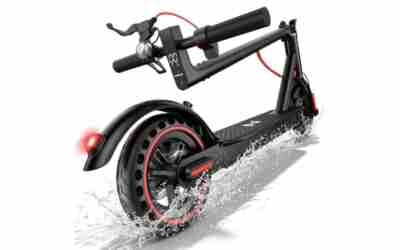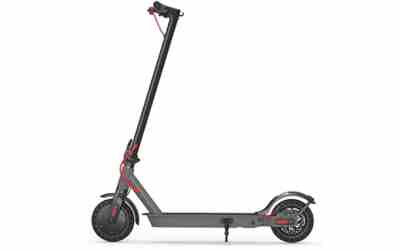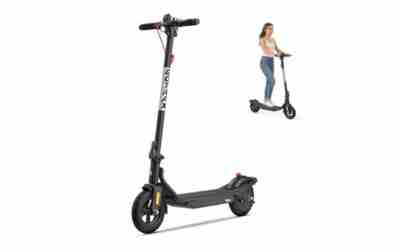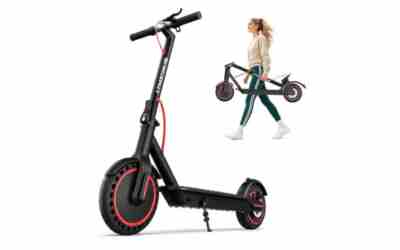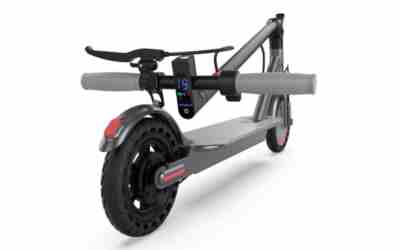

Most adult electric scooters in the US cost between $300 and $3,000, and high-performance models go past that. Commuters who ride a few miles at a time usually find what they need in the budget or mid-range tiers. Premium and ultra-premium prices pay for more speed and range, and many riders can’t legally use all of it.
The scooter’s sticker price is only part of the cost. Accessories, tax and a future battery replacement add to the total.
Electric scooter prices by tier
| Tier (price) | Average price | Top speed | Claimed range |
|---|---|---|---|
| Budget (under $500) | $335 average | 15 to 20 mph | 20.7 mi average |
| Mid-range ($500 to $1,500) | $934 average | 20 to 28 mph | 38.4 mi average |
| Premium ($1,500 to $3,000) | $2,107 average | 30 to 45 mph | 58.1 mi average |
| Ultra-premium ($3,000+) | $3,734 average | 50+ mph | 87.3 mi average |
The average prices and claimed ranges come from Riderguide’s price database of listed models. The top speeds are typical ranges for each tier.
Claimed range is not the range you will get. Riderguide’s testing found scooters deliver about 71% of their claimed range in real riding. At that rate, a 20.7-mile budget claim works out to roughly 15 miles.
Hiboy, a scooter brand, publishes typical motor and battery sizes by tier. Because a manufacturer wrote these figures, treat them as rough estimates:
- Budget: 250 to 350 W motor with a 180 to 300 Wh battery.
- Mid-range: 500 to 1,000 W motor with a 400 to 700 Wh battery.
These sources don’t cover motor and battery specs for premium and ultra-premium models, and the specs vary widely between models. Check the spec sheet for any model you are pricing.
A quick way to compare value is to divide the price by the battery capacity in watt-hours (Wh). For example, a $335 scooter with a 240 Wh battery costs about $1.40 per Wh. (240 Wh is the midpoint of the budget range.) A lower number means you get more battery for your money. This is only a rough comparison, because it ignores build quality, brakes and suspension.
Total cost with accessories
Hiboy’s guide puts the cost of a helmet, lock and lights at about $50 to $200 or more. Here is how that changes the totals for the two most common tiers:
- Budget: the $335 average becomes about $385 to $535.
- Mid-range: the $934 average becomes about $984 to $1,134.
To estimate your own total:
- Start with the scooter’s listed price.
- List the accessories you need on day one, such as a helmet, lock or lights.
- Add the accessory prices to the scooter price.
- Add sales tax, plus shipping if the listing doesn’t include it.
If the total lands near the top of your budget, buy the helmet first and add the other accessories later.
Battery replacement and charging costs
The battery is the most expensive part of a scooter. Hiboy’s guide estimates it at 30 to 50% of the scooter’s price.
Analytics Insight puts a typical replacement battery at $150 to $300. That figure comes from a single source, and larger packs on premium models will likely cost more. Ask the manufacturer for the replacement price for your exact model before you budget.
Charging is cheap. Hiboy’s guide estimates about $0.05 to $0.15 per full charge in the US. Even at the high end, 30 full charges cost $4.50.
Speed caps and registration rules
Some cities cap scooter speeds at about 15 to 20 mph. Where a cap like that applies, a scooter that tops out at 50+ mph must still be ridden at the capped speed. You would be paying for speed you can’t legally use on those streets.
Caps vary from city to city, so check the limit where you plan to ride before you pay for a faster tier. States and cities also set the rules for registration, insurance and licensing. Those rules can apply at any price tier.
Safety certification and battery fire risk
UL 2272 is the safety standard for a scooter’s electrical system, including the battery and charger. Before you buy, confirm the UL 2272 listing on the product page or label. This applies at every price, and a higher price doesn’t guarantee the scooter is certified.
If a battery fire starts, don’t try to put it out. Leave the building and call 911.
Use this checklist before you buy and whenever you charge at home:
- Check that the model name on the box matches the UL 2272 listing.
- Use only the charger that came with the scooter, or a replacement the manufacturer names for that model.
- Charge on a hard, clear surface, never on a bed, sofa or carpet.
- Don’t leave it charging unattended or overnight.
- Keep the scooter and charger away from exits, stairways and heat sources such as radiators.
- Unplug it and stop charging if the battery gets hot, swells, smells unusual or makes odd noises.
- Install smoke alarms on every level of the home and test them regularly.
Frequently Asked Questions
Does the listed price include sales tax?
Usually not. In states with a sales tax, it is added at checkout, so you will pay more than the listed price. Add your state’s rate when you budget.
Do the price tiers apply to kids electric scooters?
No. The tiers in this guide cover adult electric scooters only. Compare kids models against other kids listings, not against these averages.
Can I use a cheaper scooter’s charger on a pricier model?
No. A charger must match the voltage and specifications of the battery it charges. Use the charger the manufacturer supplied for your model, or a replacement it approves.
Is a used scooter with a swollen battery a good deal?
No. A swollen battery is damaged, so don’t charge or ride the scooter. Take the battery to a hazardous-waste or battery recycling drop-off, and never put it in the trash.
{“@context”: “https://schema.org”, “@type”: “FAQPage”, “mainEntity”: [{“@type”: “Question”, “name”: “Does the listed price include sales tax?”, “acceptedAnswer”: {“@type”: “Answer”, “text”: “Usually not. In states with a sales tax, it is added at checkout, so you will pay more than the listed price. Add your state’s rate when you budget.”}}, {“@type”: “Question”, “name”: “Do the price tiers apply to kids electric scooters?”, “acceptedAnswer”: {“@type”: “Answer”, “text”: “No. The tiers in this guide cover adult electric scooters only. Compare kids models against other kids listings, not against these averages.”}}, {“@type”: “Question”, “name”: “Can I use a cheaper scooter’s charger on a pricier model?”, “acceptedAnswer”: {“@type”: “Answer”, “text”: “No. A charger must match the voltage and specifications of the battery it charges. Use the charger the manufacturer supplied for your model, or a replacement it approves.”}}, {“@type”: “Question”, “name”: “Is a used scooter with a swollen battery a good deal?”, “acceptedAnswer”: {“@type”: “Answer”, “text”: “No. A swollen battery is damaged, so don’t charge or ride the scooter. Take the battery to a hazardous-waste or battery recycling drop-off, and never put it in the trash.”}}]}